What is a BERA Test? Everything Parents Need to Know About Newborn Hearing Diagnosis
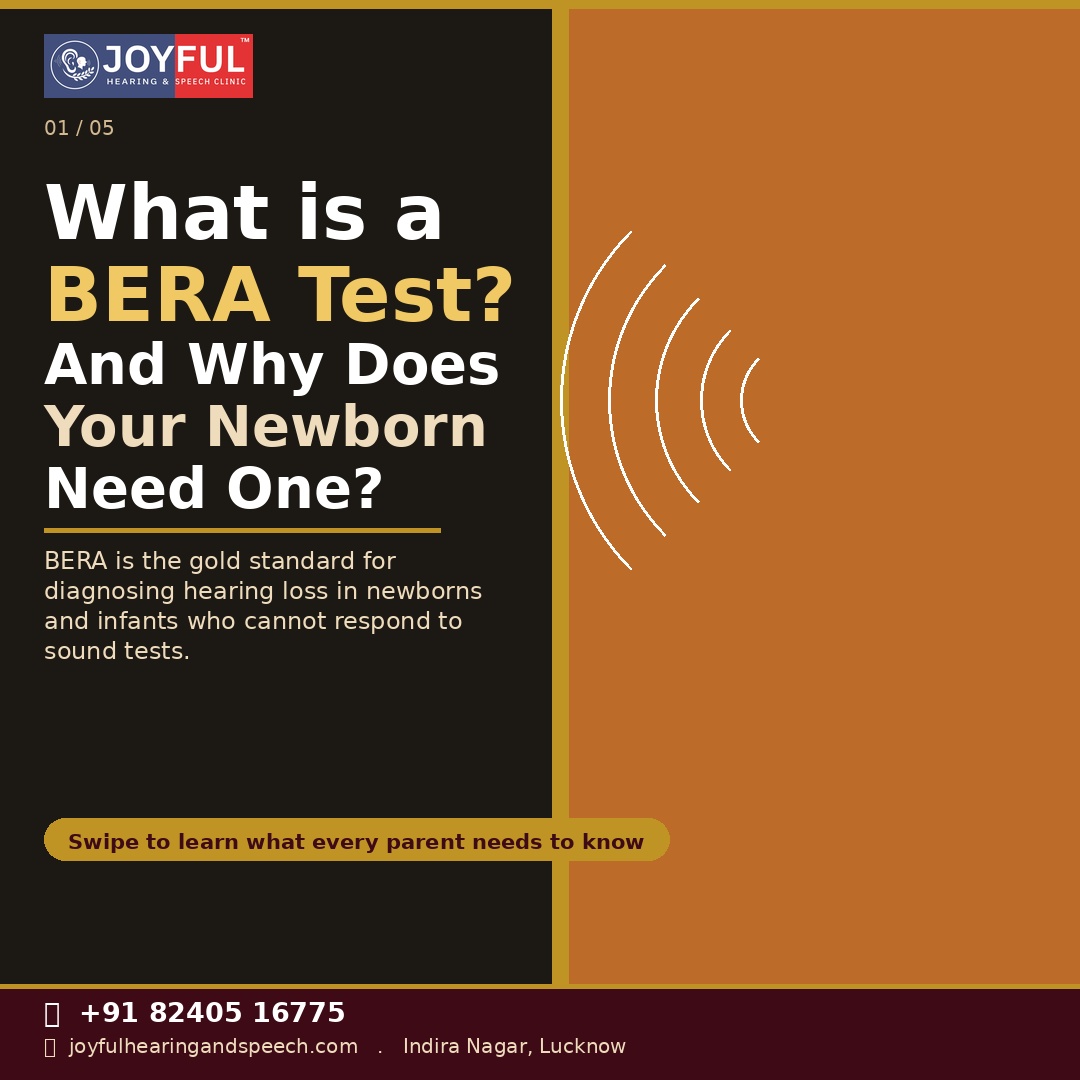
Your newborn has just been referred for a BERA test. For most parents, this moment brings immediate anxiety: what does it mean, will it hurt, and what happens next? The good news is that BERA is one of the most accurate, painless and parent-friendly diagnostic tools in modern audiology. Understanding what it involves can replace anxiety with confidence.
What is BERA?
BERA stands for Brainstem Evoked Response Audiometry. It is an electrophysiological test that measures how well the entire auditory pathway—from the cochlea through the brainstem to the brain—responds to sound. Unlike a standard hearing test that requires the patient to press a button or raise a hand, BERA records the brain’s electrical responses automatically. This makes it ideal for newborns, infants and anyone who cannot respond behaviourally to sound.
BERA versus OAE—what is the difference?
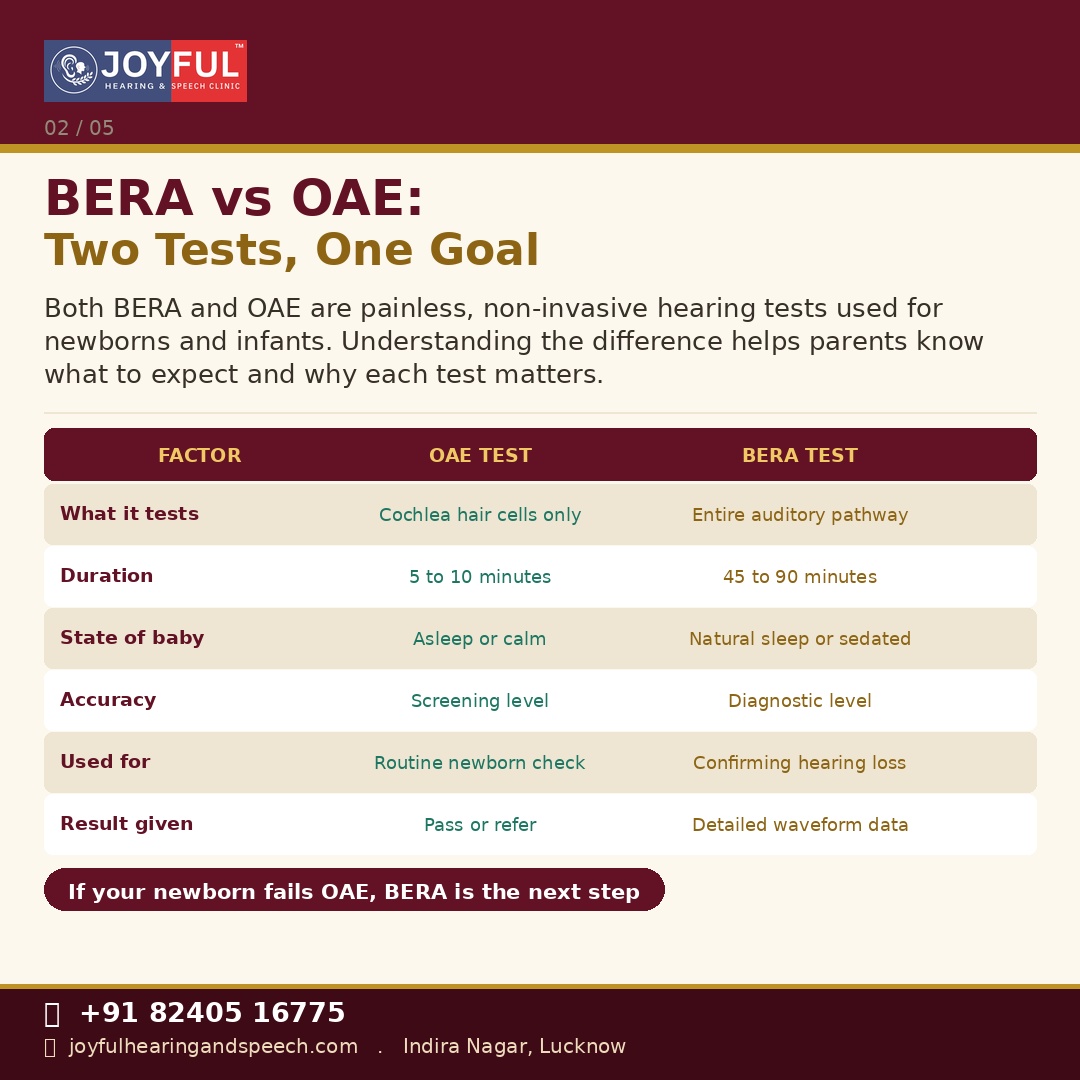
OAE, or Otoacoustic Emissions testing, checks only the cochlear hair cells using a small probe placed in the ear canal. It is fast, taking five to ten minutes, and is used as a routine newborn screening tool. If a baby fails the OAE screen, the next step is BERA, which provides a complete picture of the entire hearing pathway and gives precise threshold levels in decibels for each ear separately.
What happens during a BERA test?
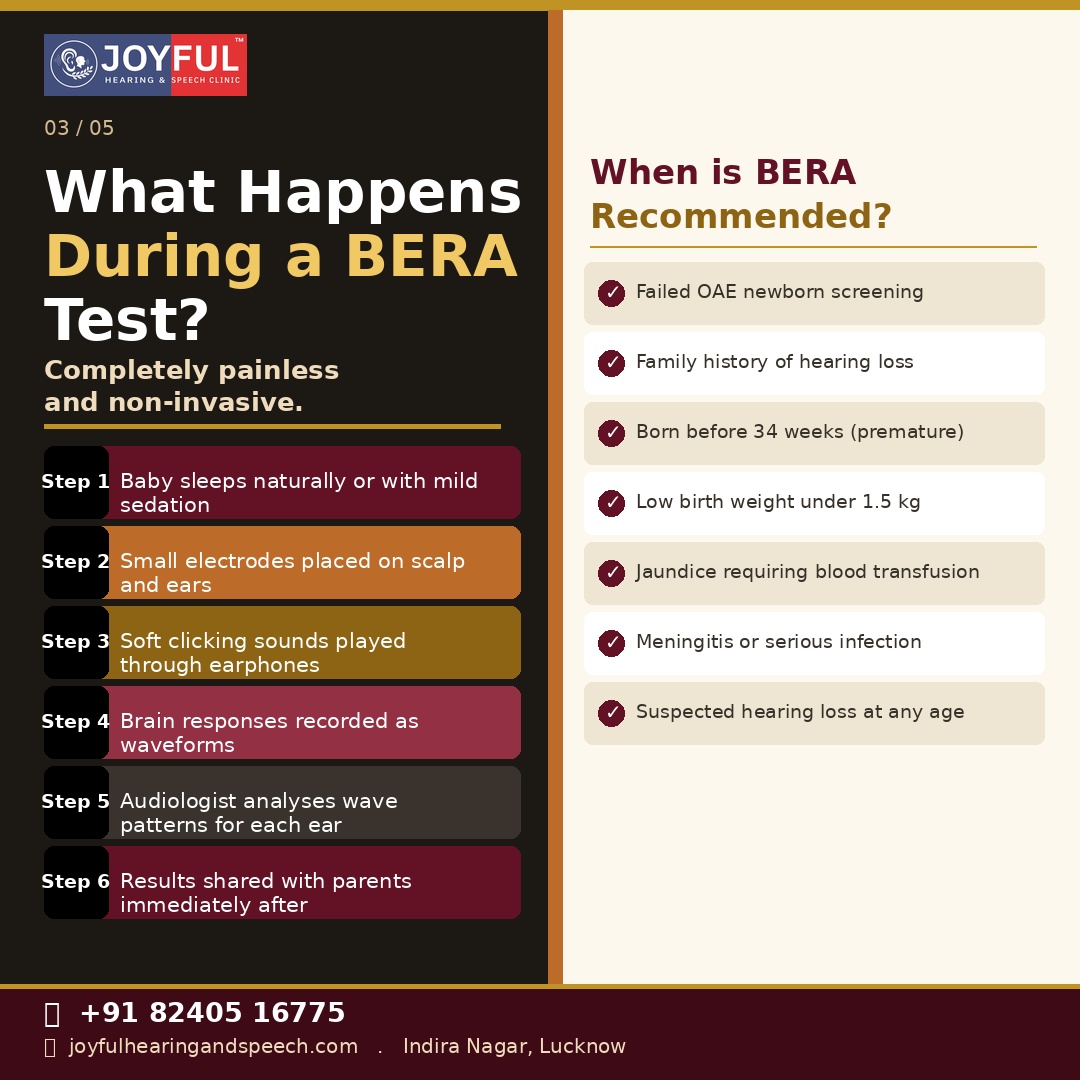
The test is completely painless. Your baby sleeps naturally or, for older infants, may be given a mild sedative. Small electrode stickers are placed on the scalp and behind the ears. Soft clicking sounds are delivered through tiny earphones. The electrodes record the brain’s electrical responses to these sounds as waveforms. The audiologist analyses these waveforms to determine whether hearing thresholds are within normal limits for each ear and each frequency range. The entire procedure takes between 45 minutes and 90 minutes and results are explained to parents on the same day.
Understanding the results
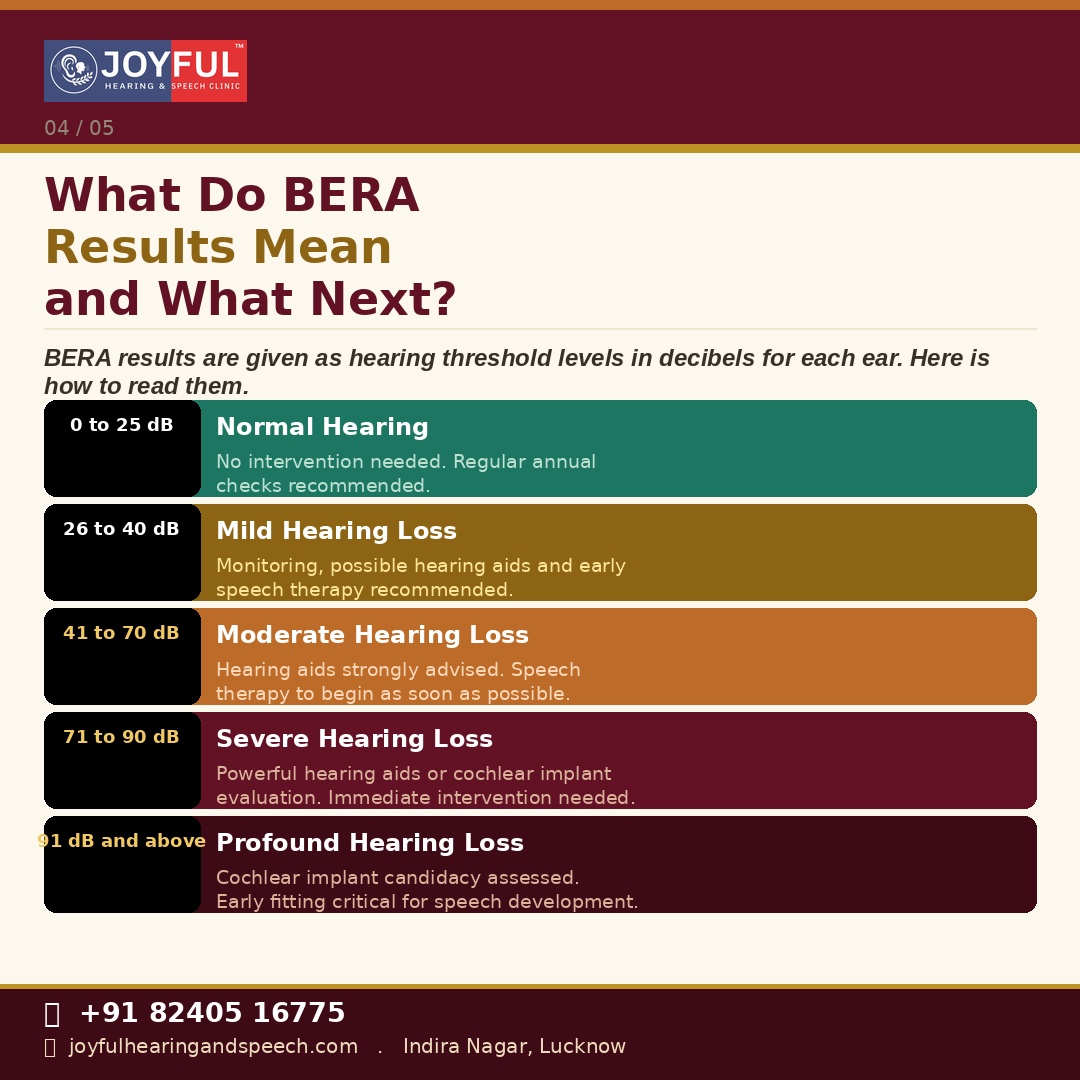
BERA results are expressed as hearing threshold levels in decibels. Normal hearing falls between 0 and 25 dB. Mild loss is between 26 and 40 dB, moderate loss between 41 and 70 dB, severe loss between 71 and 90 dB, and profound loss above 91 dB. Each level has a corresponding management pathway, ranging from monitoring and mild amplification to cochlear implant evaluation for profound loss. The critical principle is that the earlier the diagnosis and the earlier the intervention, the better the outcomes for speech and language development.
When should BERA be done?
BERA is recommended whenever a newborn fails the OAE screen, when there is a family history of hearing loss, in premature infants, following serious neonatal infections, or whenever a parent or clinician suspects hearing difficulty.
Book a Pediatric BERA Test in Lucknow
If your baby needs a BERA evaluation, contact Joyful Hearing & Speech Clinic for expert, compassionate care.
Written By
Joyful Hearing Specialists
Clinical Audiologists & Speech Therapists