Diabetes and Hearing Loss: Why Your Blood Sugar Affects Your Ears
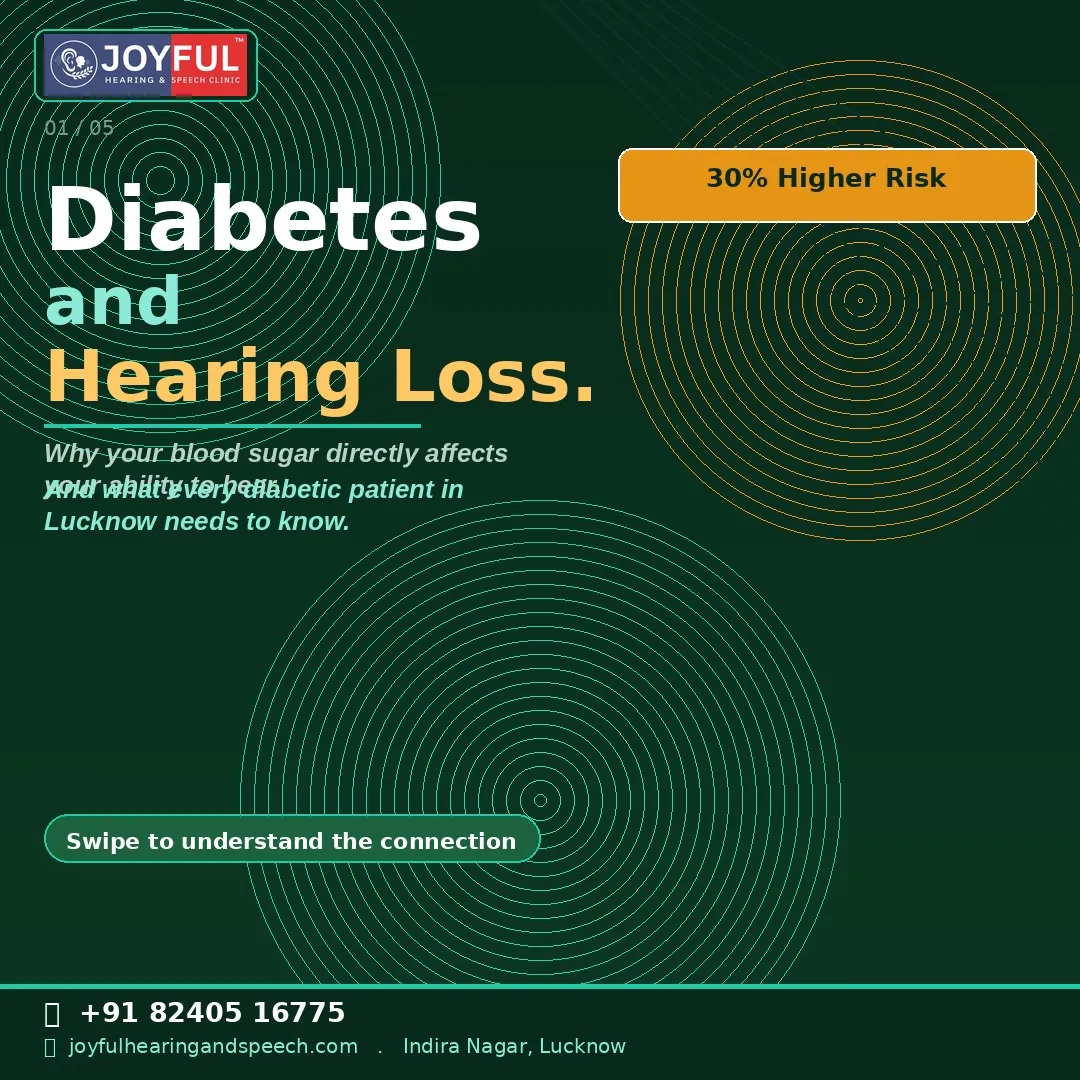
Most people living with diabetes are aware of the damage high blood sugar causes to the eyes, kidneys, and peripheral nerves. Far fewer realize that the inner ear is equally vulnerable. The cochlea—the microscopic spiral organ responsible for converting sound vibrations into electrical signals for the brain—contains some of the finest, most delicate microvascular networks in the human body. When diabetes damages small blood vessels, the cochlea is frequently among the first structures to suffer silent impairment.
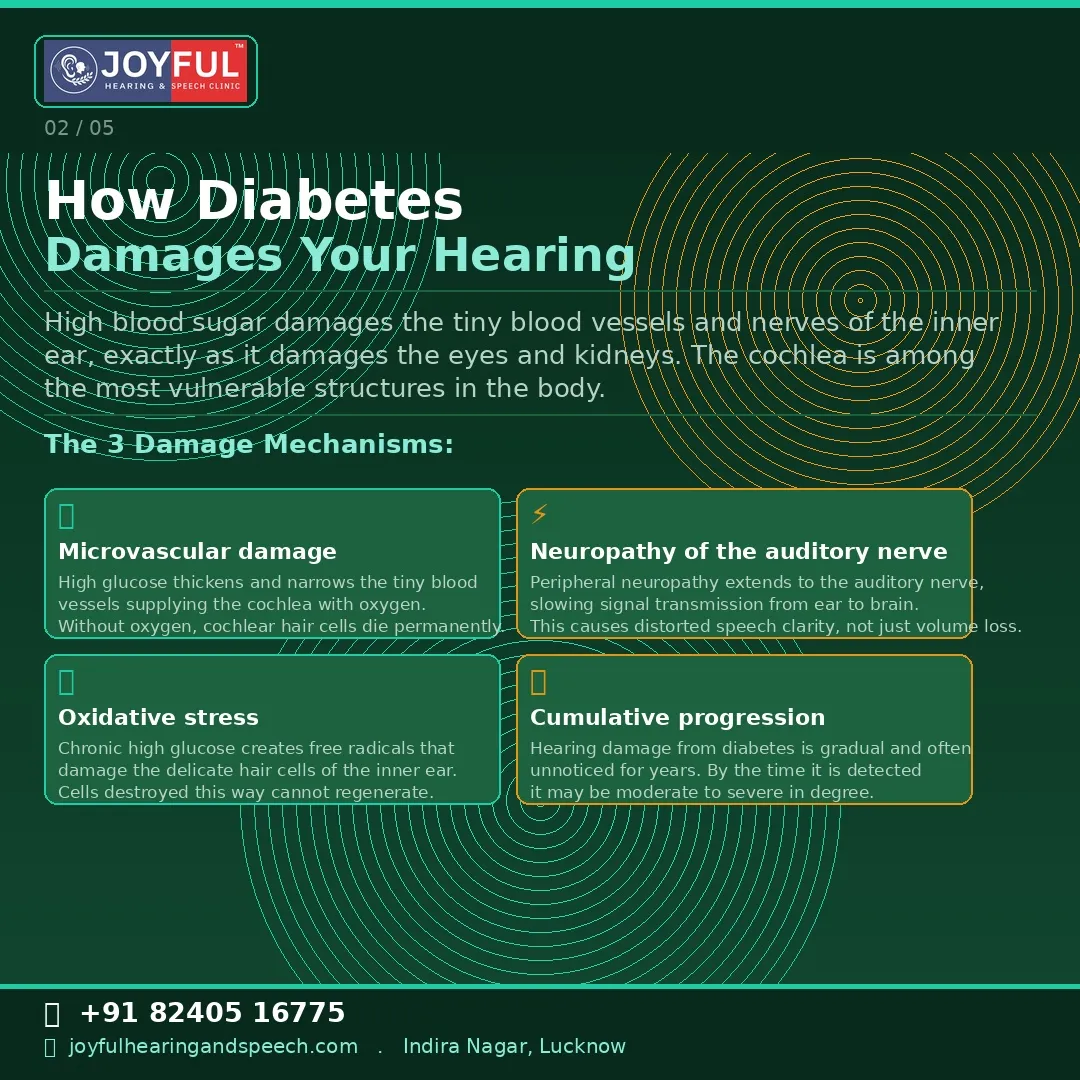
The 3 Biological Mechanisms of Diabetic Hearing Damage
Chronically elevated blood glucose damages the auditory system through three distinct physiological pathways:
- Microvascular Damage: High glucose thickens and narrows the stria vascularis capillaries that supply the cochlea with oxygen and nutrients. Deprived of oxygen, the sensory hair cells begin to die. Unlike skin or liver cells, human cochlear hair cells cannot regenerate—making this hearing loss permanent.
- Auditory Neuropathy: Diabetic neuropathy is well known in the hands and feet, but it also compromises the eighth cranial nerve (the auditory nerve). When the nerve's transmission speed slows, speech discrimination drops sharply. Patients often remark: "I can hear people talking, but I cannot understand what they are saying."
- Oxidative Stress & Cellular Aging: Sustained glucose fluctuations generate free radicals that damage cellular mitochondria, drastically accelerating the natural age-related degeneration of the inner ear.
The Alarming Statistics Every Diabetic in India Must Know
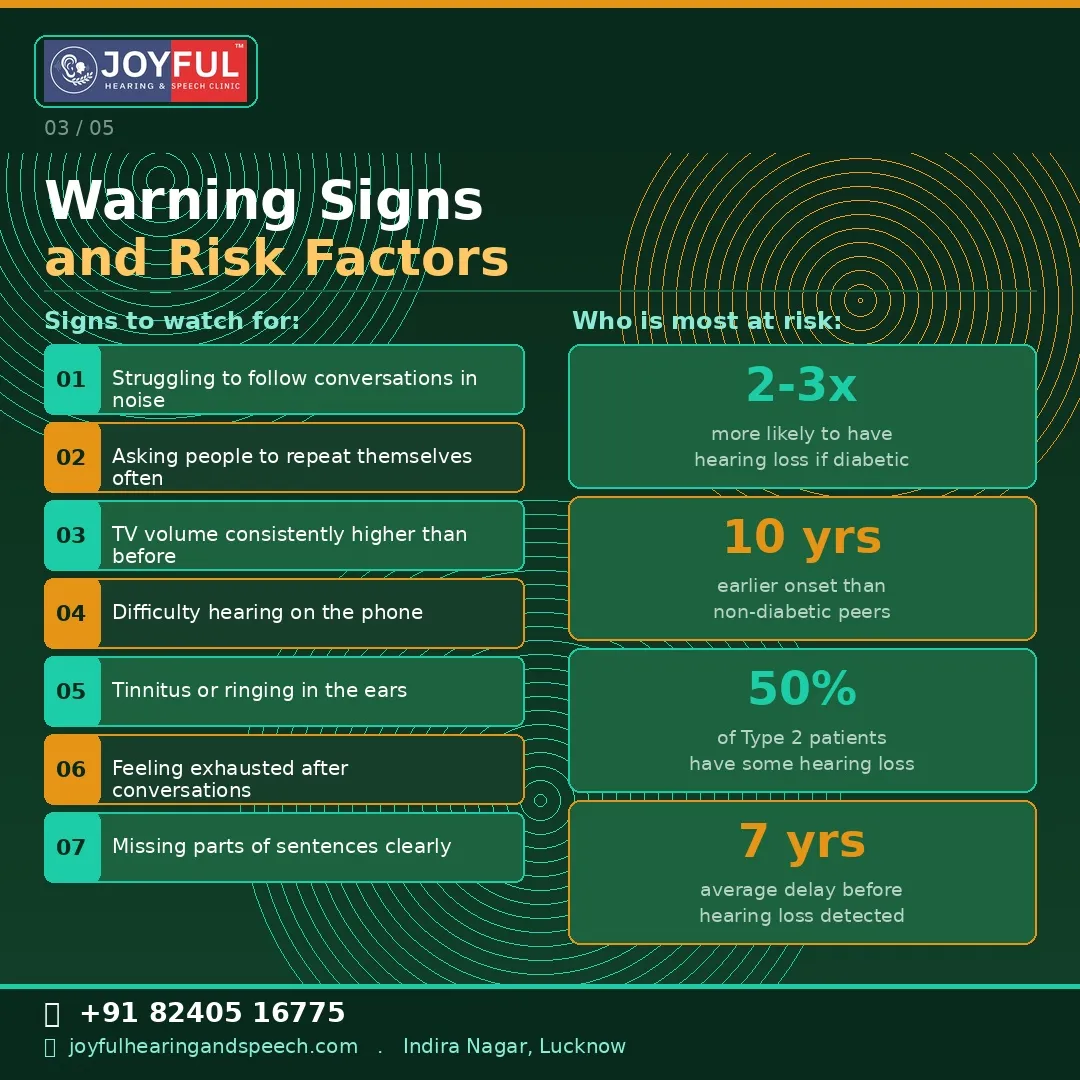
Clinical studies consistently reveal that diabetic adults are two to three times more likely to develop sensorineural hearing loss than non-diabetics, with onset occurring up to 10 years earlier. Research across Indian diabetic cohorts shows that over 50 percent of Type 2 diabetes patients have measurable hearing impairment. Despite these figures, annual hearing assessments are virtually never prescribed as part of routine diabetic health checkups in India.
Essential Steps for Protecting Your Ears
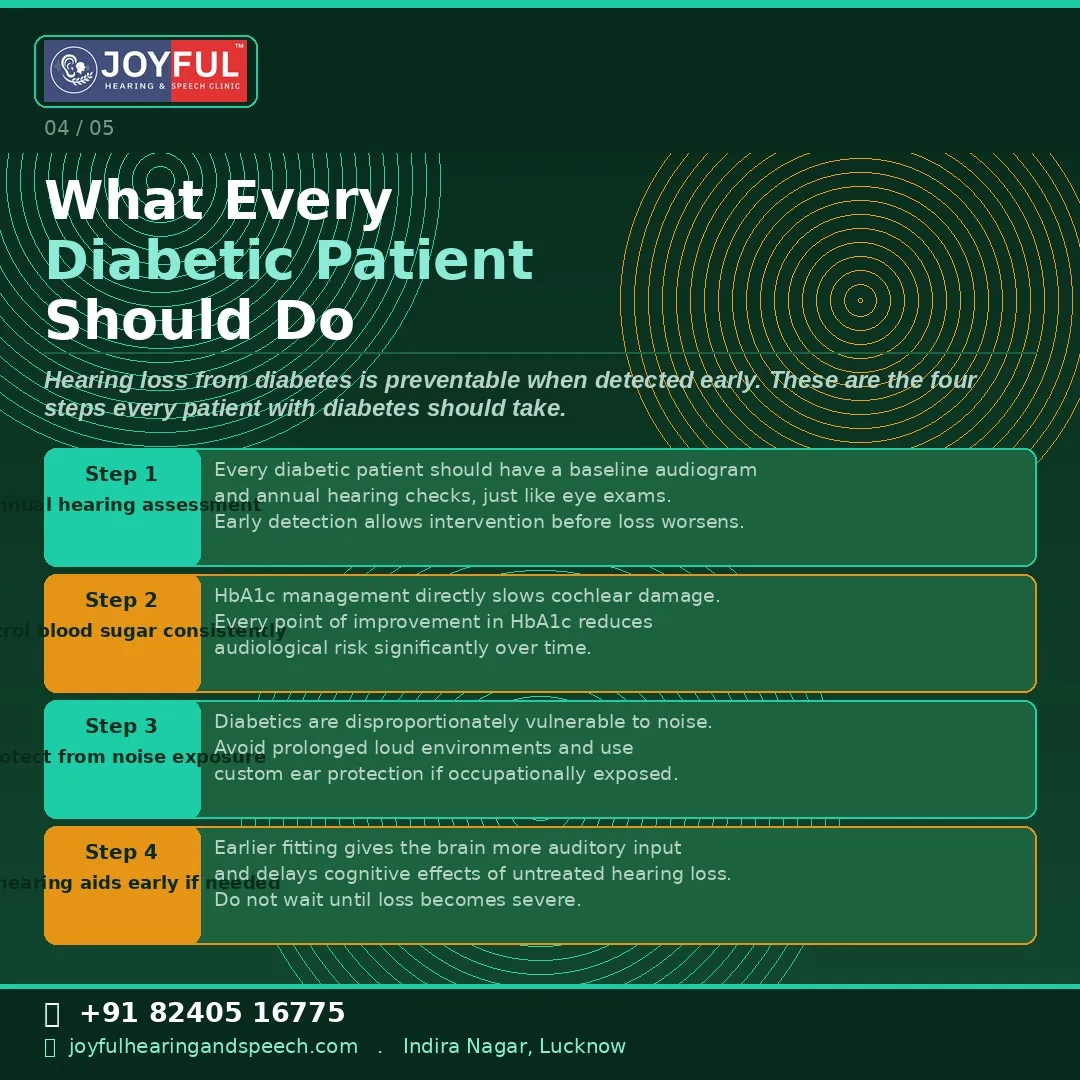
If you or an elderly family member has diabetes, clinical audiology guidelines recommend:
- Baseline Audiogram: Obtain a clinical hearing test at diagnosis to establish your baseline auditory thresholds.
- Annual Monitoring: Repeat pure-tone audiometry annually alongside your HbA1c and retinal exams.
- Strict Glycemic Management: Controlling blood sugar directly slows inner ear microvascular damage.
- Protection Against Loud Noise: Diabetic cochleas are significantly more vulnerable to acoustic trauma and noise exposure.
- Early Hearing Aid Fitting: If hearing loss is identified, early amplification prevents auditory deprivation and significantly reduces long-term cognitive decline risks.
Diabetic Audiological Care at Joyful Hearing & Speech Clinic, Lucknow
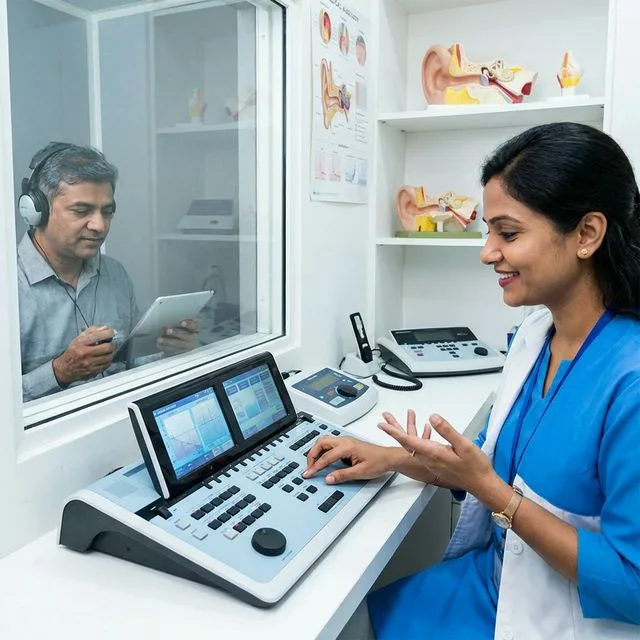
Our qualified audiologists in Indira Nagar, Lucknow conduct specialized hearing assessments tailored for diabetic patients, including high-frequency audiometry, speech-in-noise evaluations, and gentle digital hearing aid trials designed for maximum speech clarity.

Schedule a Diabetic Hearing Assessment in Lucknow
Protect your hearing health. Book a baseline audiogram and speech clarity test at Joyful Hearing & Speech Clinic.
Written By
Joyful Hearing Specialists
Clinical Audiologists & Speech Therapists