Hearing Loss and Depression: The Mental Health Link Nobody Talks About
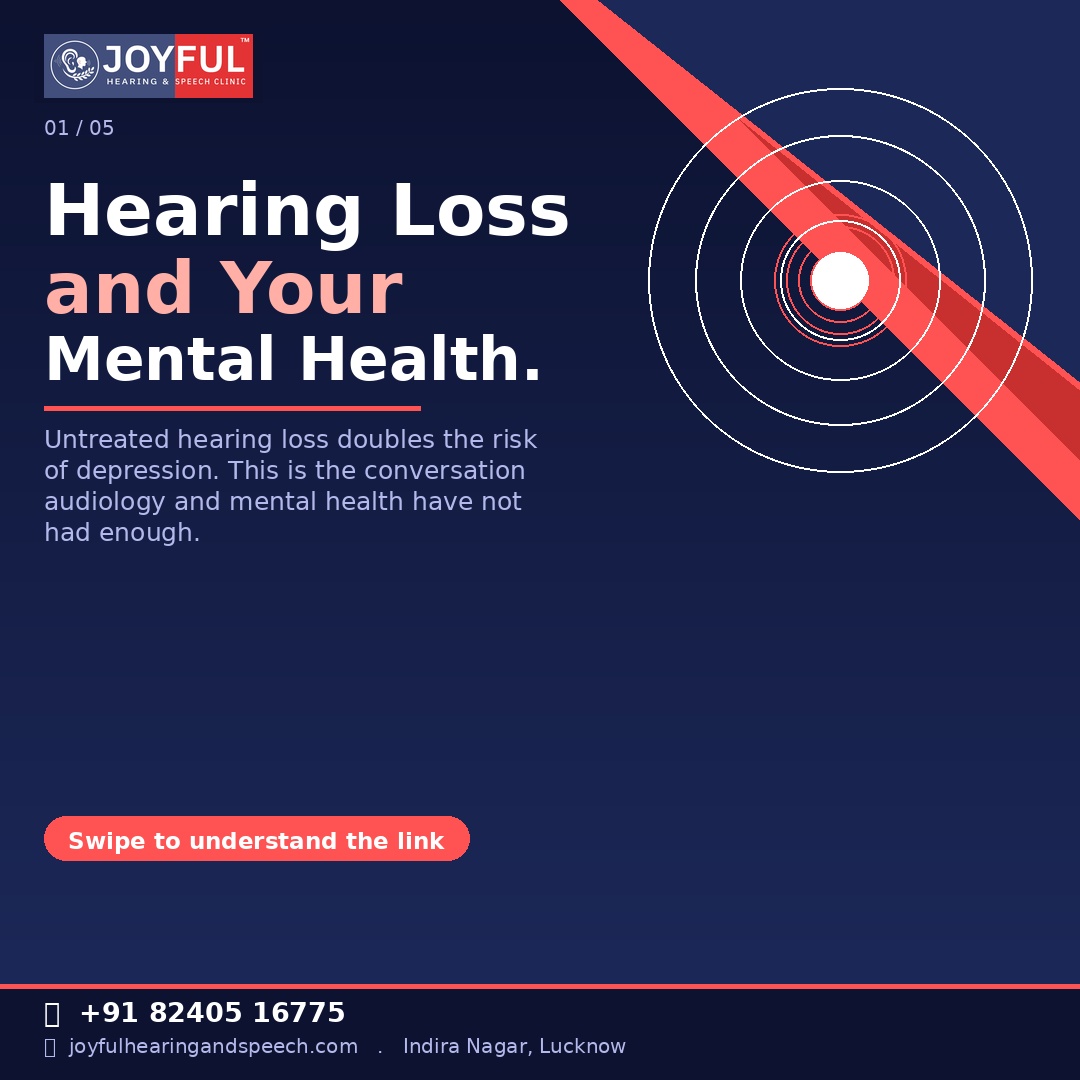
When someone develops hearing loss, the conversation almost always focuses on the physical—what type, what degree, which ear. Rarely does anyone ask how the person feels. Yet the research is consistent and clear: untreated hearing loss significantly increases the risk of depression, anxiety and social isolation. This is the connection that audiology and mental health have not spoken about enough.
What the research says
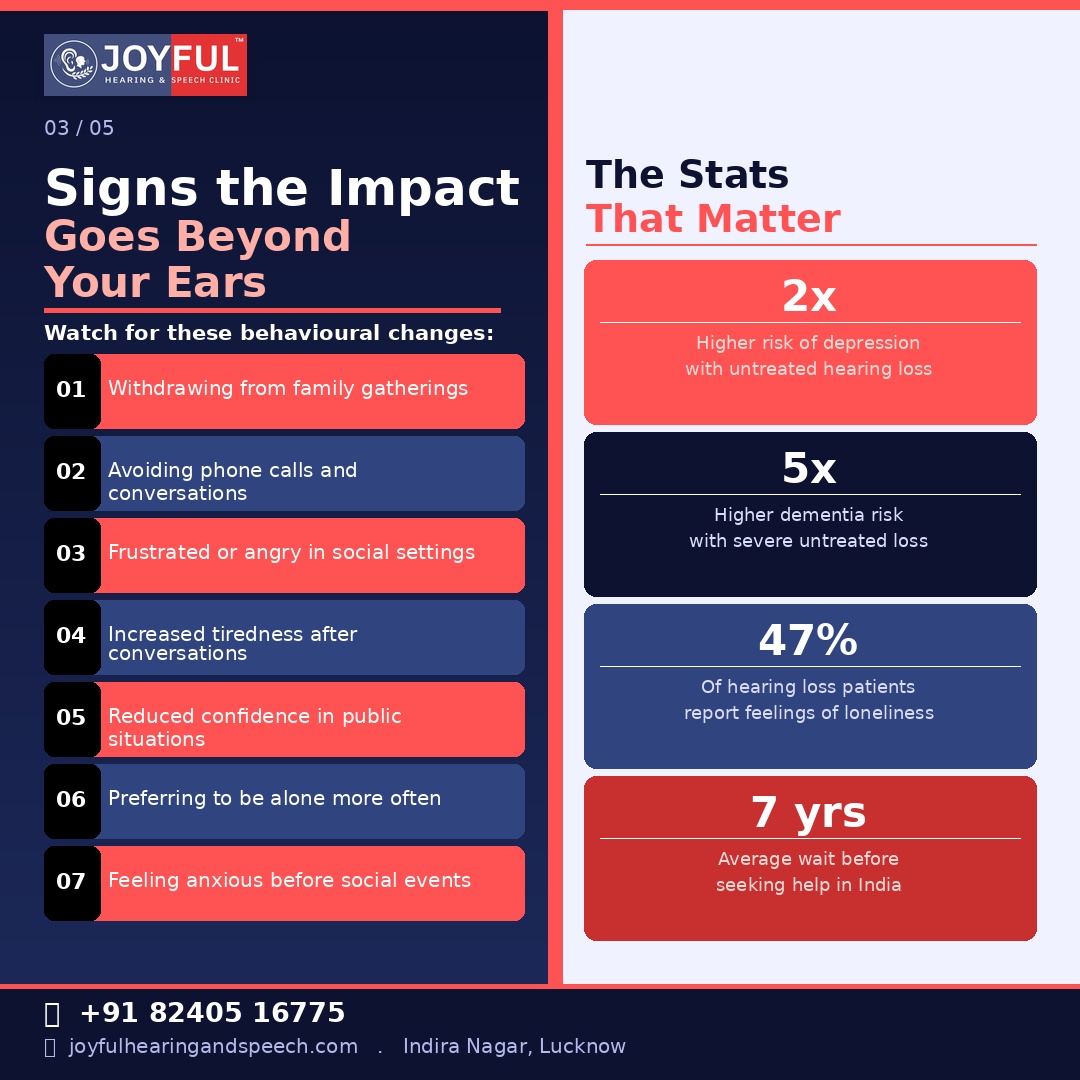
Studies consistently show that adults with untreated hearing loss are twice as likely to experience clinical depression compared to those with normal hearing. Anxiety disorders are also substantially more common. The relationship is not coincidental—it is driven by a sequence of psychological and neurological events that unfold gradually, often without the individual realising what is happening.
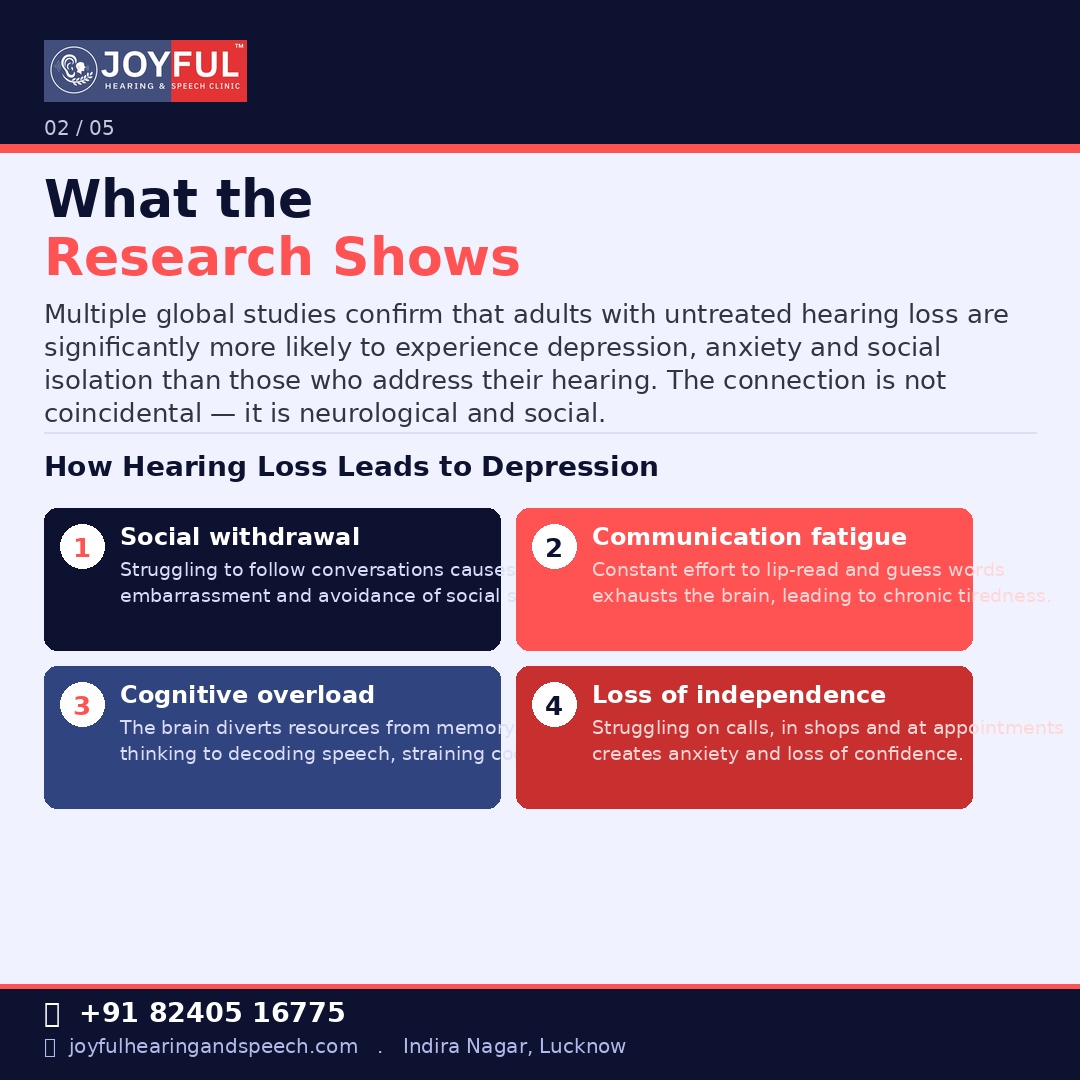
How hearing loss leads to depression
The first stage is social withdrawal. When following conversations becomes an effort—mishearing words, asking people to repeat, missing punchlines—many people begin to avoid the situations that cause embarrassment. Family gatherings, restaurants, group conversations and social events become sources of stress rather than enjoyment. Over time, withdrawal becomes the default.
The second stage is communication fatigue. Listening with hearing loss is genuinely exhausting. The brain works overtime to lip-read, guess missing words and fill in gaps, consuming energy that would otherwise go toward mood regulation, memory and cognition. People with untreated hearing loss frequently describe feeling drained after conversations that others find effortless.
The third stage is loss of independence and confidence. Difficulty on phone calls, in shops, at appointments and in professional settings gradually erodes a person’s sense of capability and autonomy. This accumulation of small defeats has a cumulative impact on self-esteem and mental wellbeing.
Why treating hearing loss helps mental health
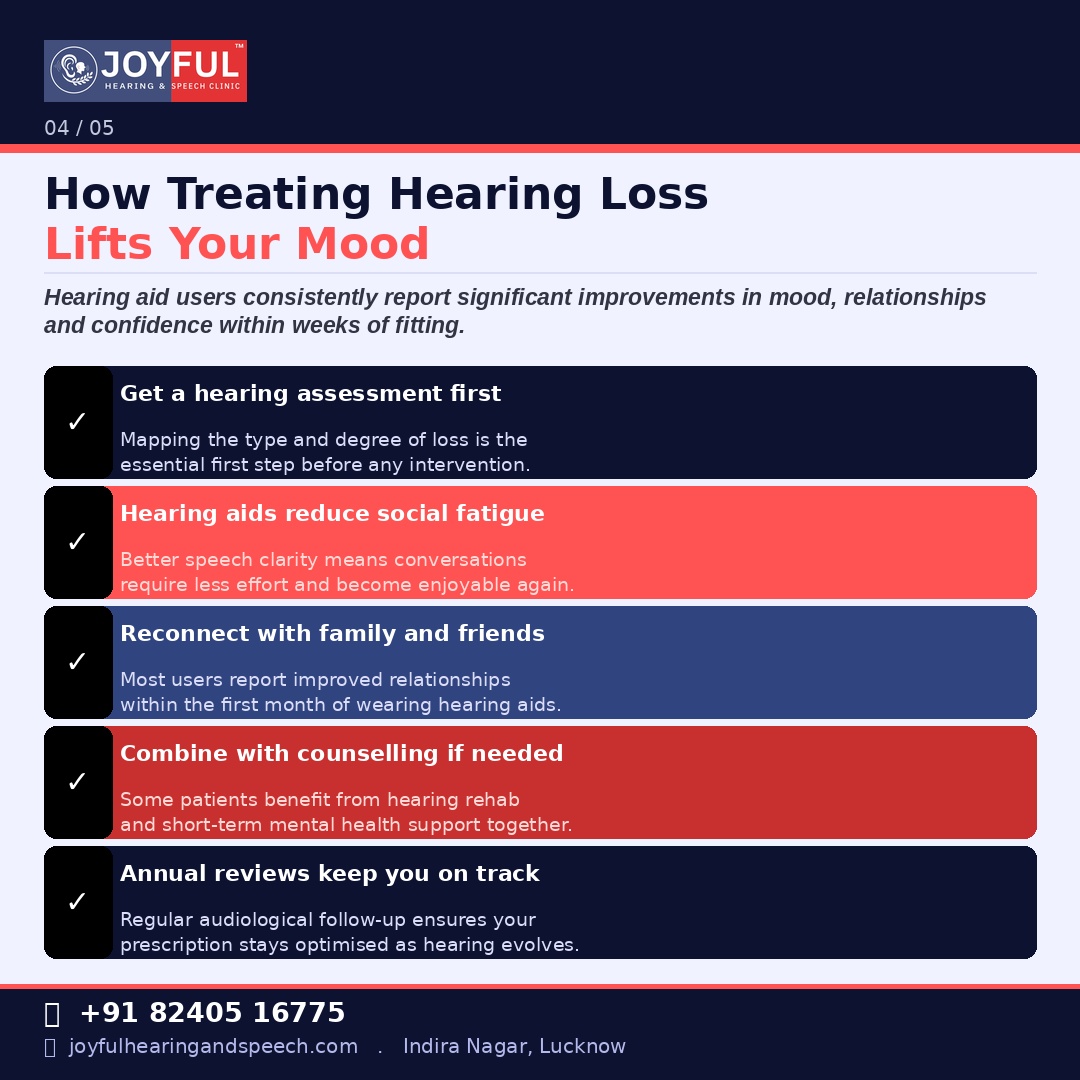
The encouraging finding in the research is that the relationship works in both directions. Studies show that fitting hearing aids reduces symptoms of depression and anxiety within weeks of use, in many cases significantly. With clearer speech perception, conversations require less effort. Social confidence returns. Energy previously consumed by effortful listening becomes available again. Most hearing aid users report improvements in relationships, mood and sense of independence within the first month.
When to seek help
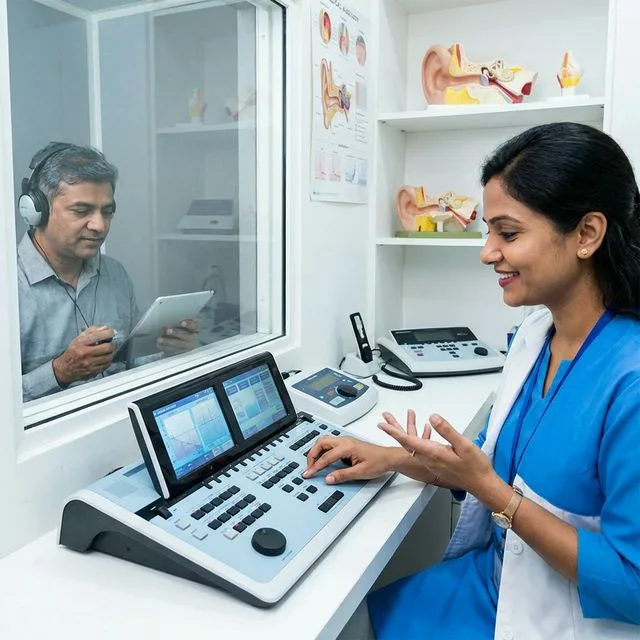
If you or a family member has been withdrawing from social situations, showing increased irritability or fatigue in social settings, or becoming reluctant to use the telephone, a hearing assessment should be the first appointment, not the last. At Joyful Hearing and Speech Clinic, Lucknow, our audiologists understand that hearing health and emotional wellbeing are inseparable. We provide comprehensive hearing assessments and evidence-based hearing aid fitting with full acclimatisation support.
Reconnect with the World
Hearing health and mental health go hand in hand. Schedule a hearing evaluation at Joyful Hearing & Speech Clinic today.
Written By
Joyful Hearing Specialists
Clinical Audiologists & Speech Therapists