When Your Child's "S" Sounds Like "Th": Understanding a Lisp | Joyful Hearing & Speech Clinic
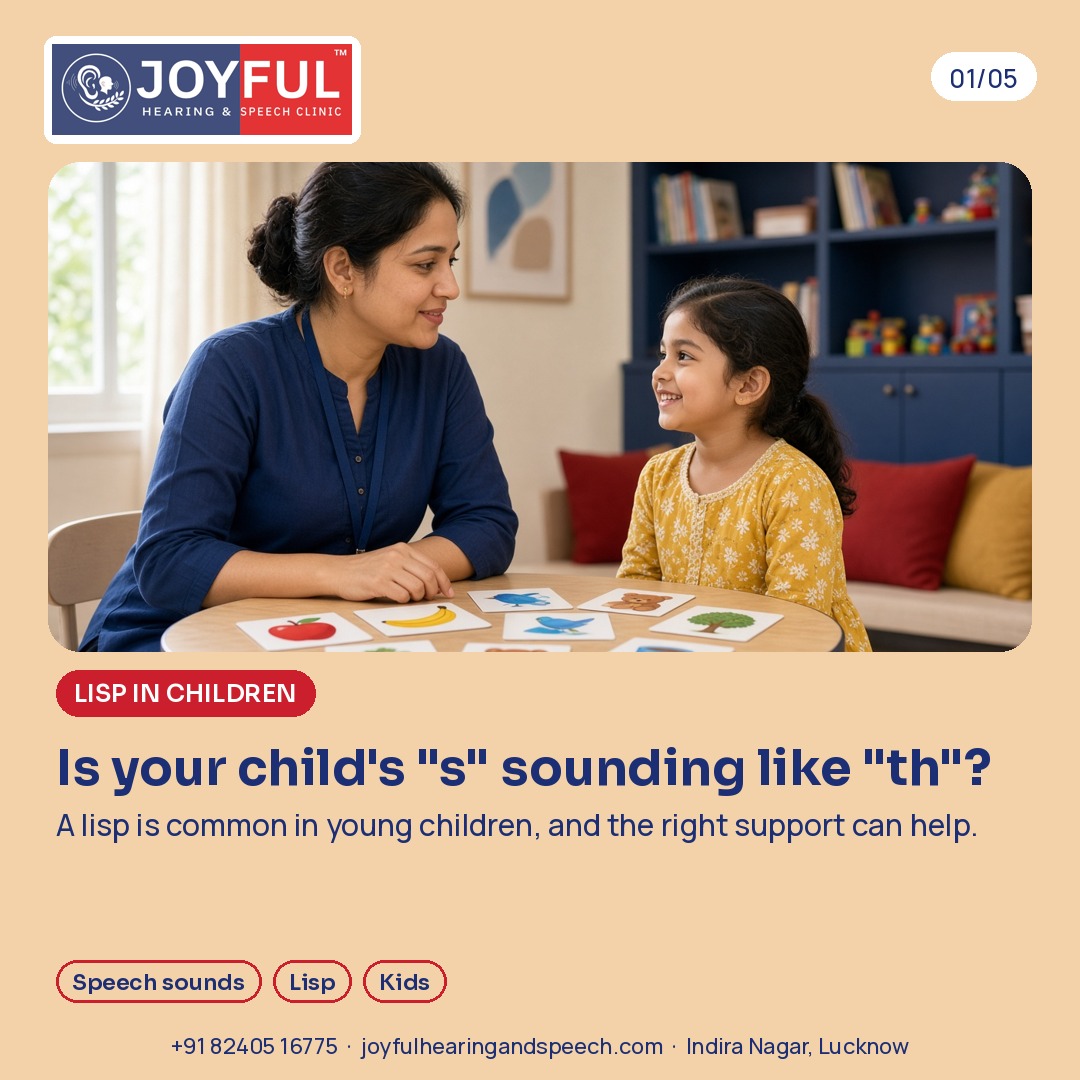
Your child is telling you about their day, and "seven" comes out as "theven" and "school" as "thchool." In a toddler, this can sound sweet. But as birthdays pass and the sound stays the same, you may start to wonder whether it will fix itself or needs a little help.
What Is a Lisp?
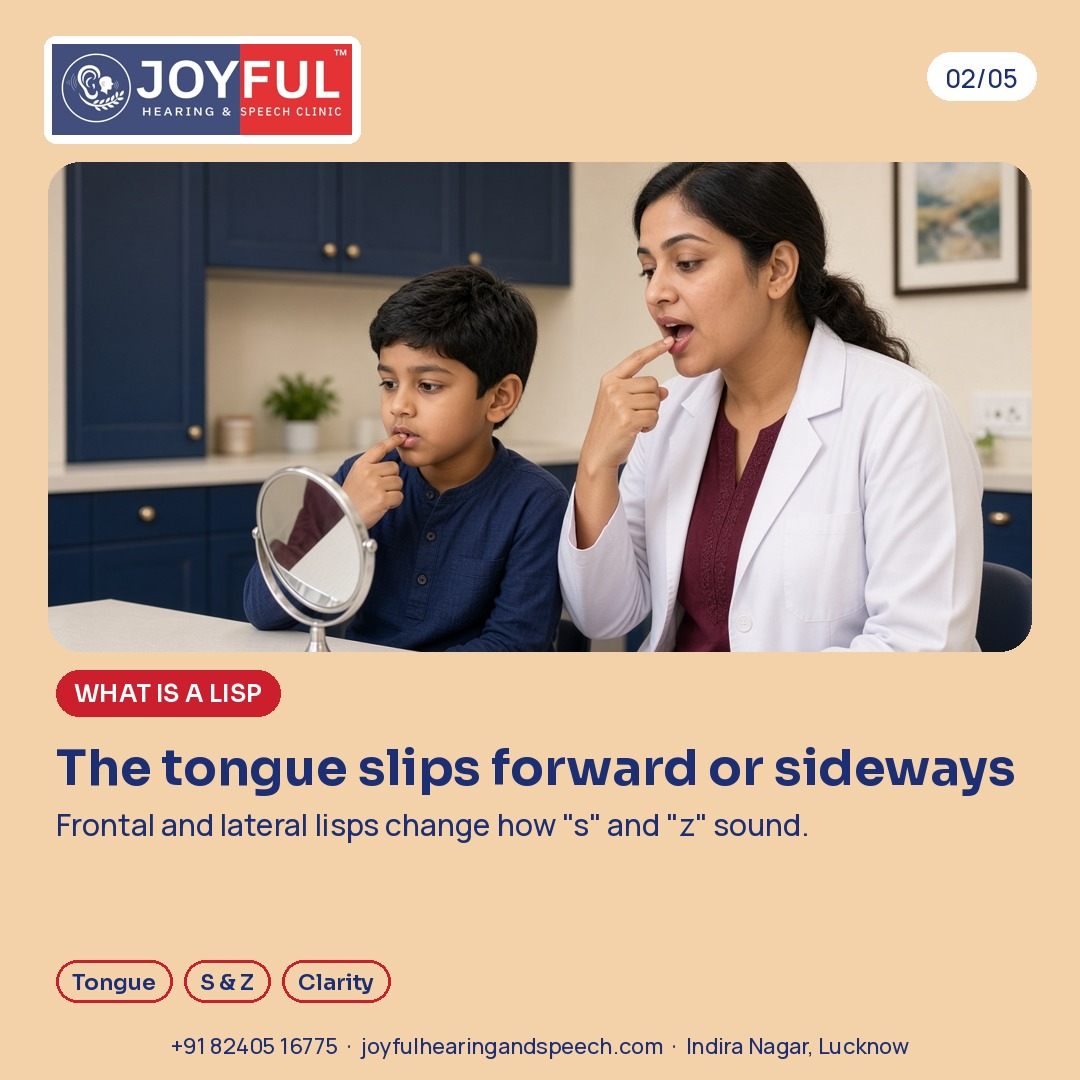
A lisp is a speech sound difference that mostly affects "s" and "z." In a frontal lisp, the tongue pushes forward between the teeth, so "s" sounds like "th." In a lateral lisp, air escapes over the sides of the tongue, which gives a wet or slushy sound. Frontal lisps are common in young children. A lateral lisp is less likely to go away by itself.
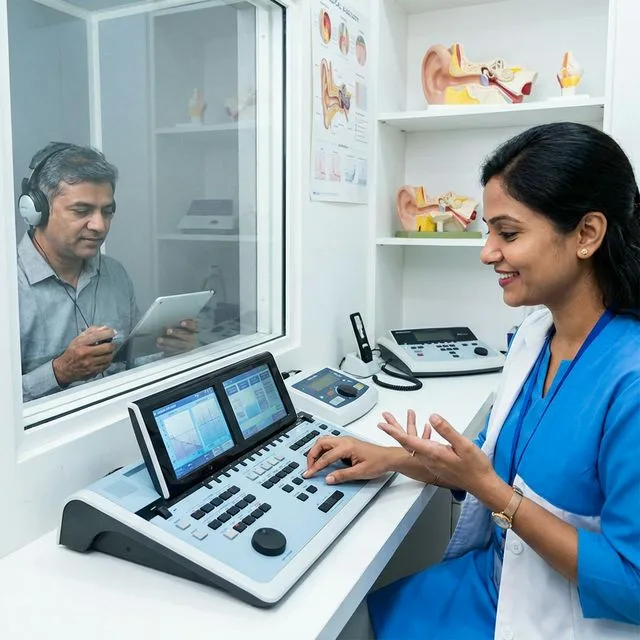
Often there is no single cause. Tongue resting position, a tongue-thrust swallow, prolonged thumb sucking or dummy use, dental changes and a tight tongue tie can all play a part. Hearing matters too. A child who cannot hear high-pitched sounds like "s" clearly may find them harder to copy, so we often check hearing as part of the assessment.
When Should You Seek an Assessment?
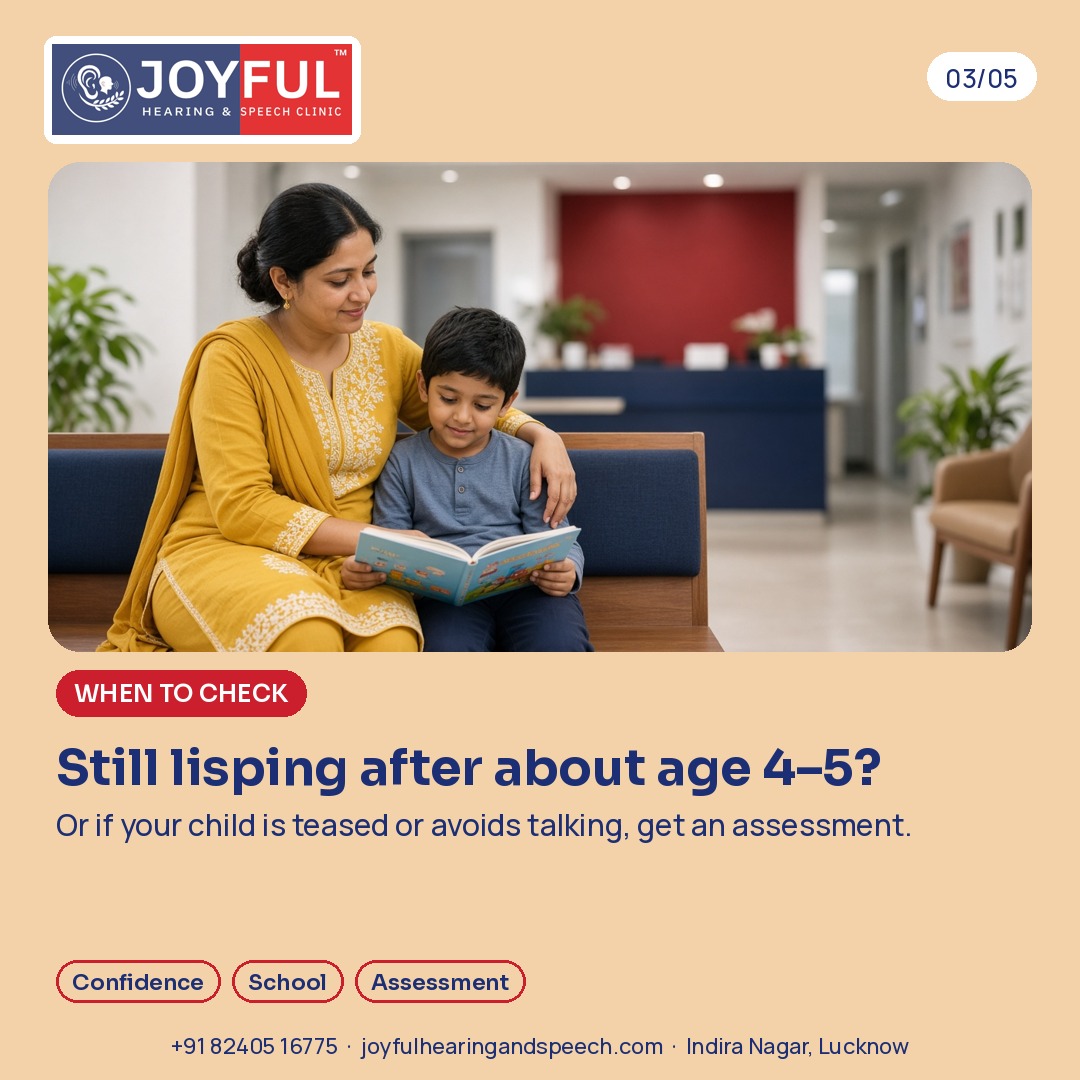
Many children sort out their "s" sounds as they grow. It is worth having your child assessed if:
- The lisp continues past about four to five years of age
- Your child has a lateral (slushy) lisp at any age
- Your child is teased, gets frustrated or avoids speaking
- There are other unclear sounds, frequent ear infections or mouth breathing
An early check gives you answers and stops habits from becoming set.
How Speech Therapy Helps
Speech therapy for a lisp is practical and playful. Your child's therapist teaches where the tongue should sit, then practises the sound alone, in words, in sentences and finally in everyday talk. Short games and home practice make progress steady. Your role at home is simple: model clear speech calmly and praise effort, rather than correcting every word. Many children enjoy these sessions and feel proud as their speech becomes clearer. Progress often depends on regular practice, so we keep home tasks short and simple.
Book an Assessment in Lucknow
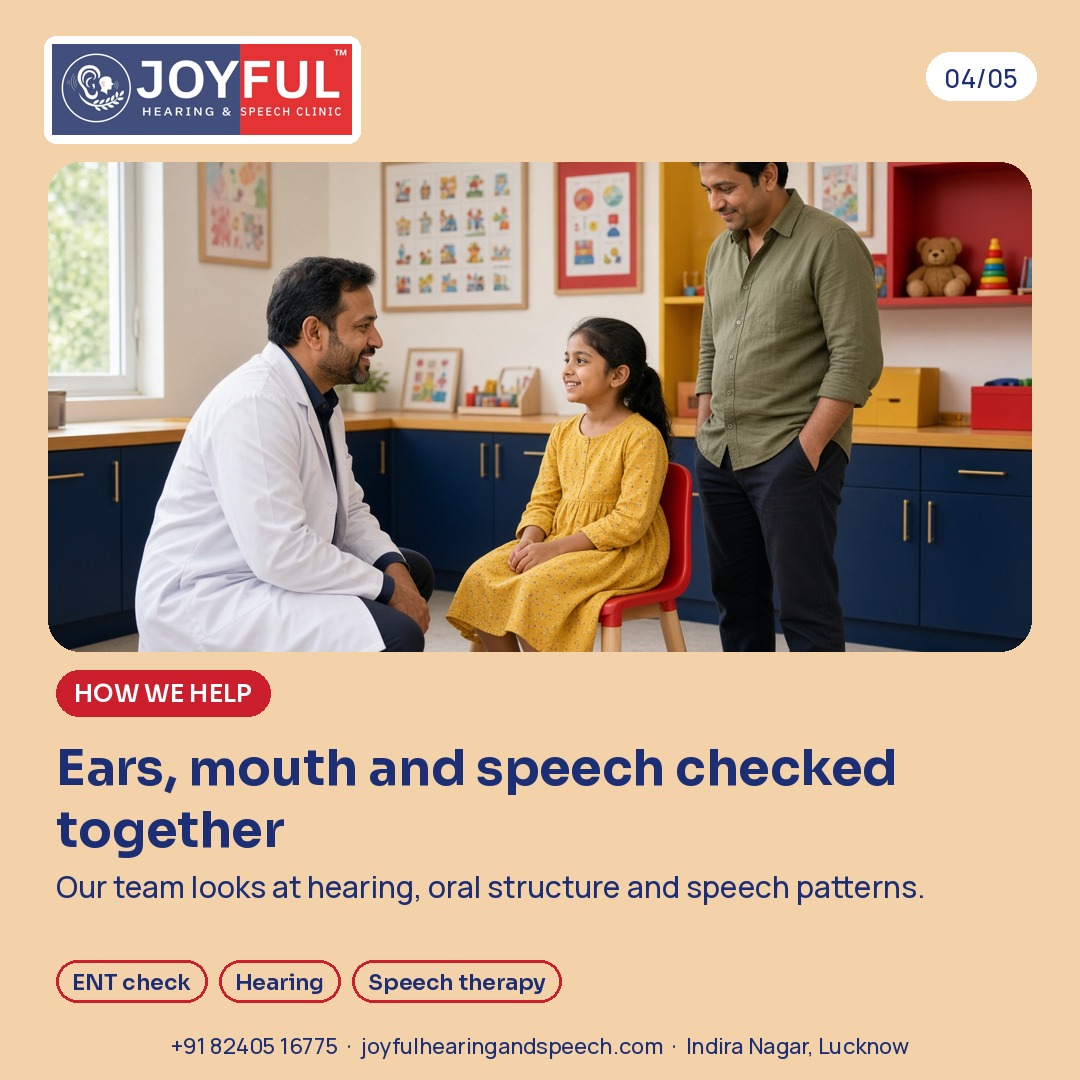
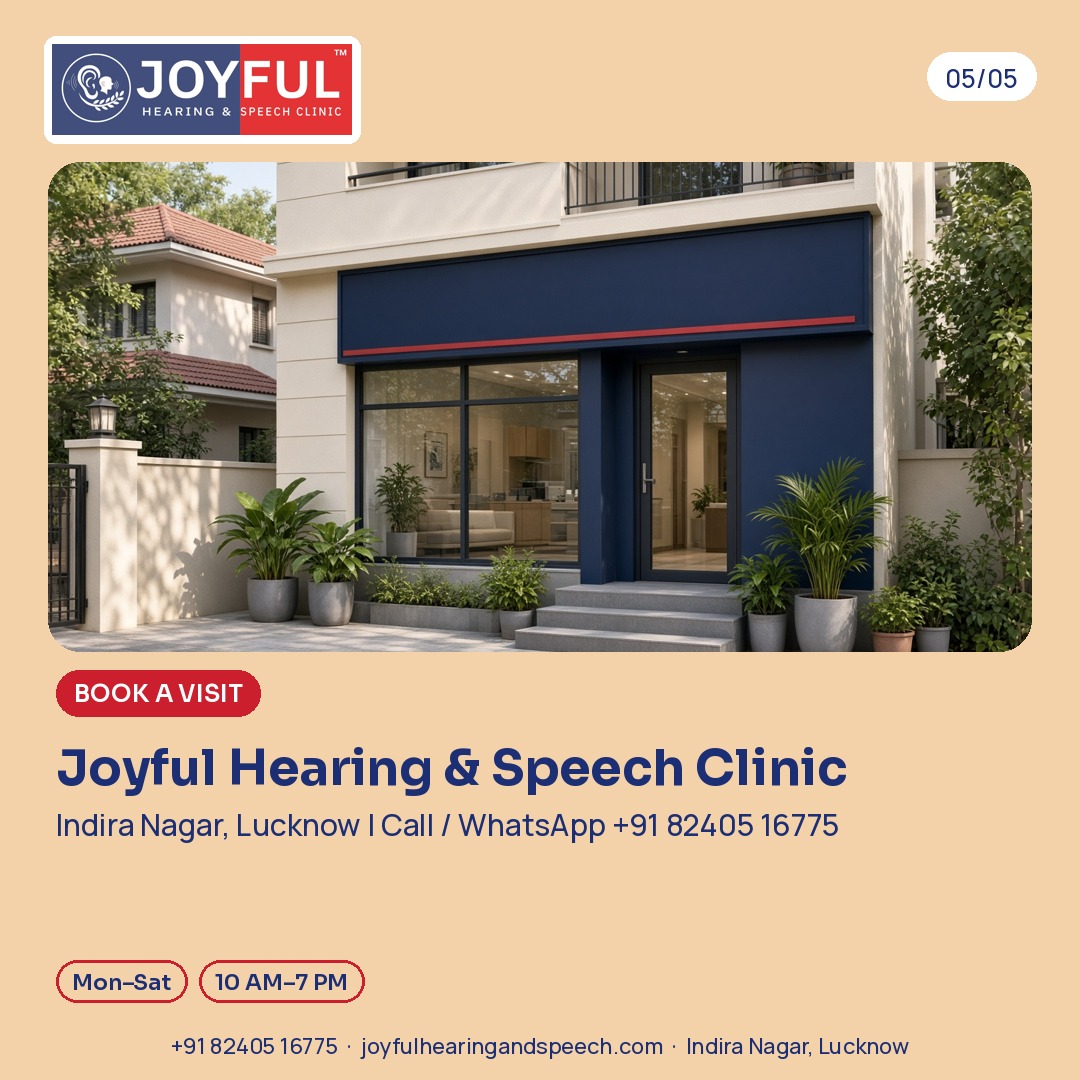
If your child's "s" still sounds like "th," a friendly assessment can show the way forward. At Joyful Hearing & Speech Clinic, Indira Nagar, Lucknow, we look at hearing, oral structure and speech together, and plan therapy around your child.
Call +91 82405 16775 or message us on WhatsApp to book a visit. We are open Mon–Sat, 10 AM–7 PM.
Written By
Joyful Hearing Specialists
Clinical Audiologists & Speech Therapists