Single-Sided Deafness: Life with Hearing in One Ear and What Can Be Done
Most people assume that having hearing in one ear is enough. After all, you can still hear, talk and follow conversations. But anyone living with single-sided deafness knows that the reality is considerably more challenging than that assumption suggests. And for the majority, it is a condition that goes untreated for years not because solutions do not exist, but because awareness does not.
What is single-sided deafness?
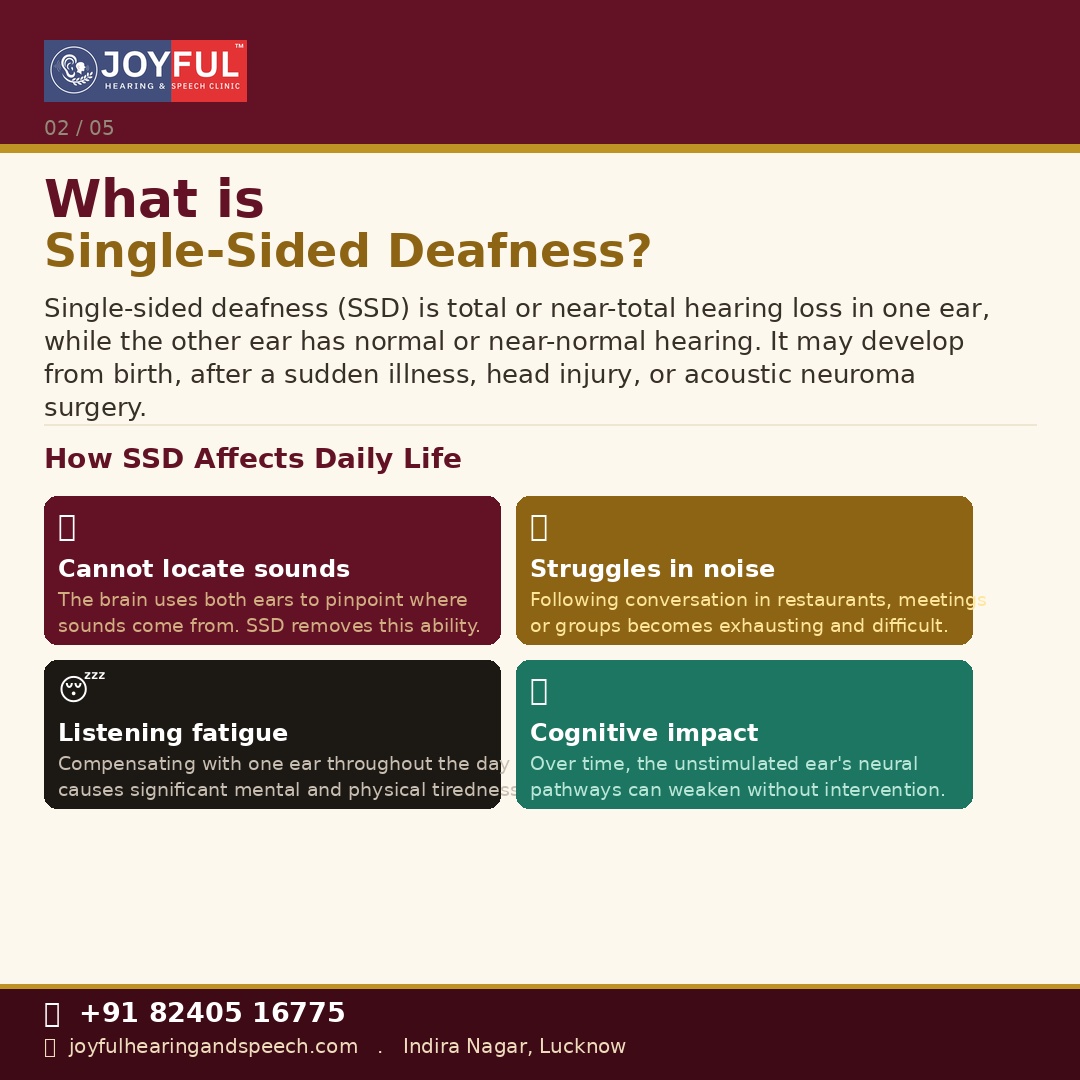
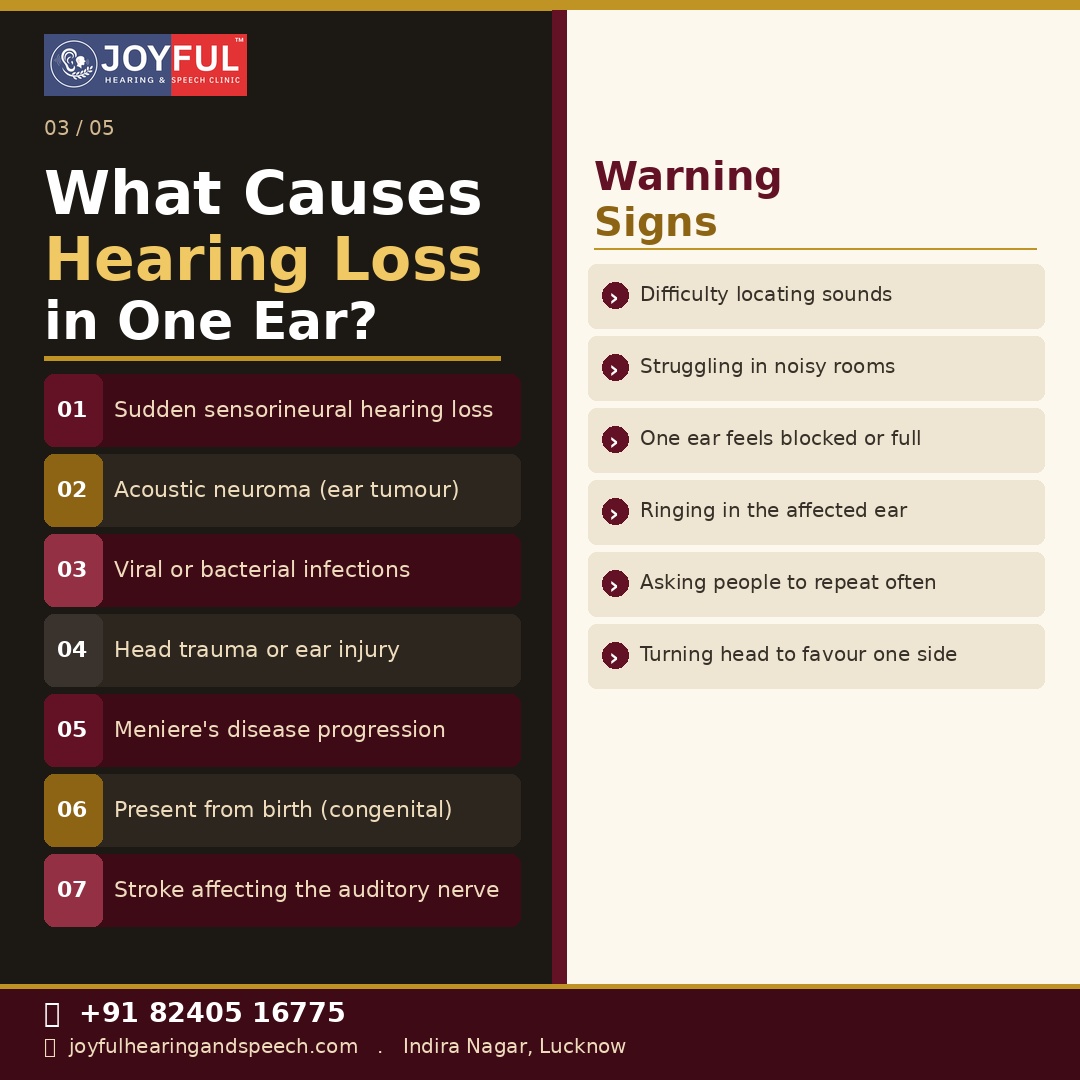
Single-sided deafness, often abbreviated as SSD, refers to total or near-total hearing loss in one ear while the other ear retains normal or near-normal hearing. It may be present from birth as a congenital condition, or it may develop suddenly following a viral illness, head trauma, acoustic neuroma surgery, or an episode of sudden sensorineural hearing loss. Meniere’s disease can also progress to SSD over time.
Why one working ear is not always enough
The human auditory system is designed to work with two ears. The brain uses the tiny differences in timing and volume between both ears to locate the direction of sounds, a process called binaural hearing. With only one functioning ear, this ability is lost entirely. A person with SSD cannot identify where sounds come from, which creates real dangers in traffic, workplaces and public spaces.
Beyond sound localisation, SSD creates significant difficulty in noisy environments. With two ears, the brain suppresses background noise and focuses on the voice in front of you. With one ear, every sound competes equally, making group conversations, restaurants and meetings genuinely exhausting. Listening fatigue—the mental tiredness that builds from compensating with a single ear all day—is one of the most commonly reported and least understood consequences of SSD.
The long-term effects of leaving SSD untreated
Research shows that the auditory nerve and brain pathways connected to the deaf ear continue to weaken over time without stimulation. Early intervention not only addresses present symptoms but protects the neural architecture needed for any future treatment to be effective.
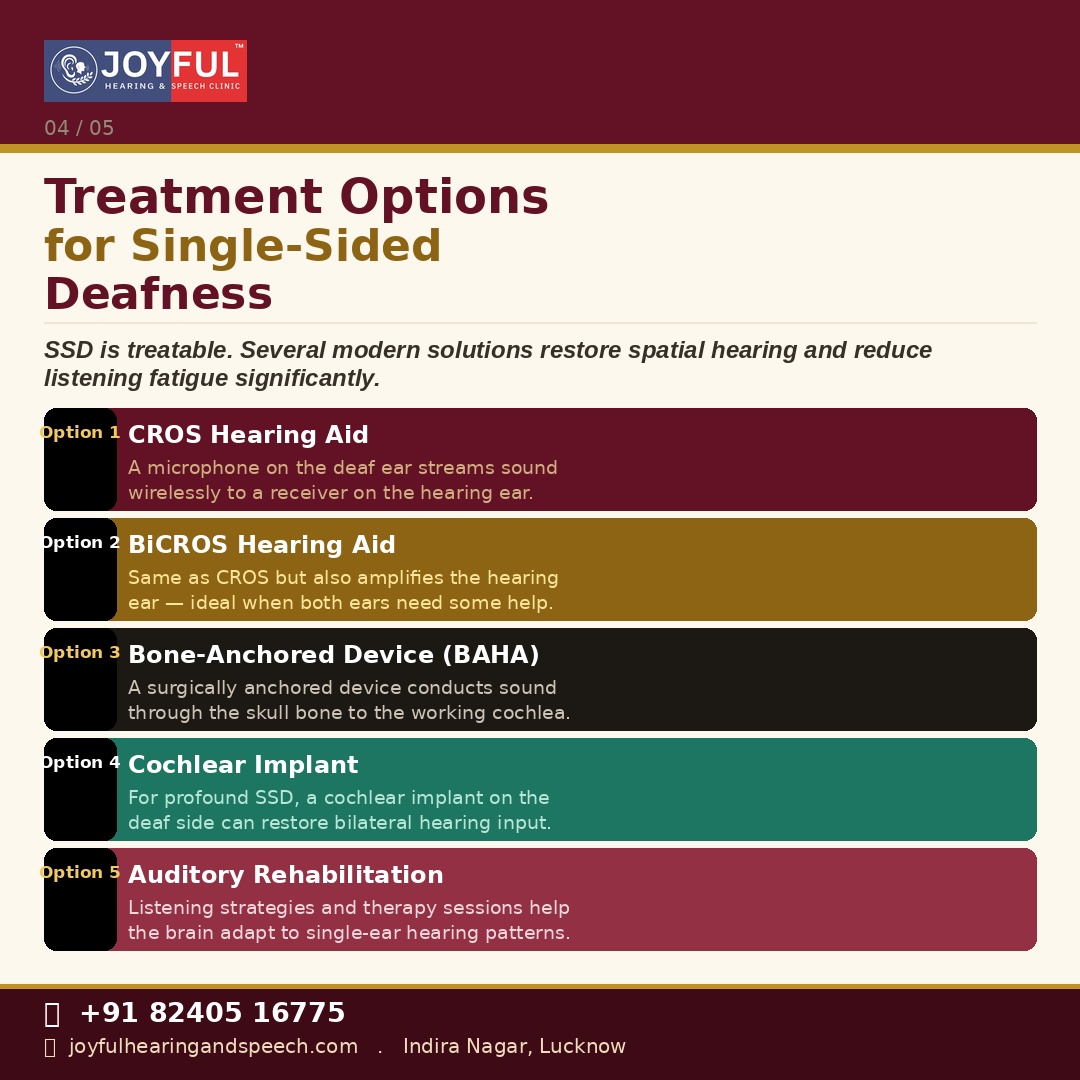
Modern treatment options
Several evidence-based solutions exist: CROS hearing aids place a microphone on the deaf ear that streams sound wirelessly to a receiver on the hearing ear, restoring access to sounds from both sides. BiCROS devices do the same while also amplifying the hearing ear. Bone-anchored hearing devices such as the BAHA conduct sound through the skull directly to the working cochlea. For profound SSD in appropriate candidates, a cochlear implant on the deaf side can restore a meaningful degree of bilateral hearing input.

Book Your Assessment at Joyful Hearing & Speech
If you or a family member lives with hearing in only one ear, early assessment and intervention make a significant clinical difference.
Written By
Joyful Hearing Specialists
Clinical Audiologists & Speech Therapists